Q1: What is the primary function of the 990-05-XX-01-00?
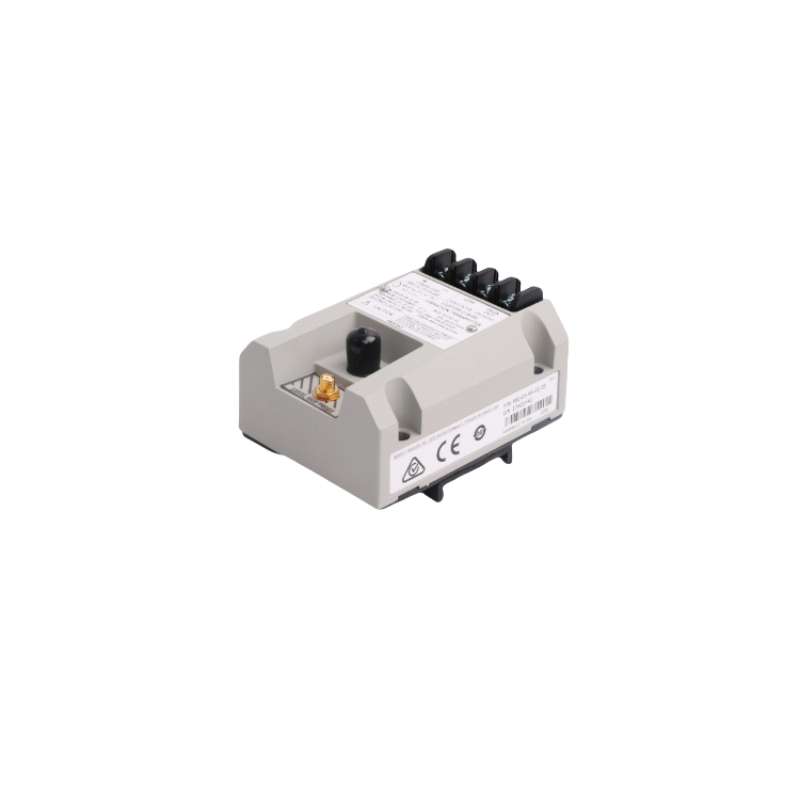
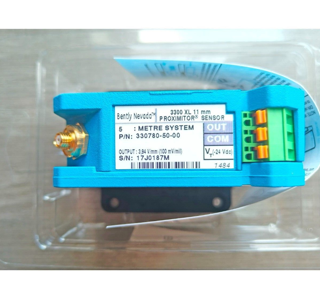
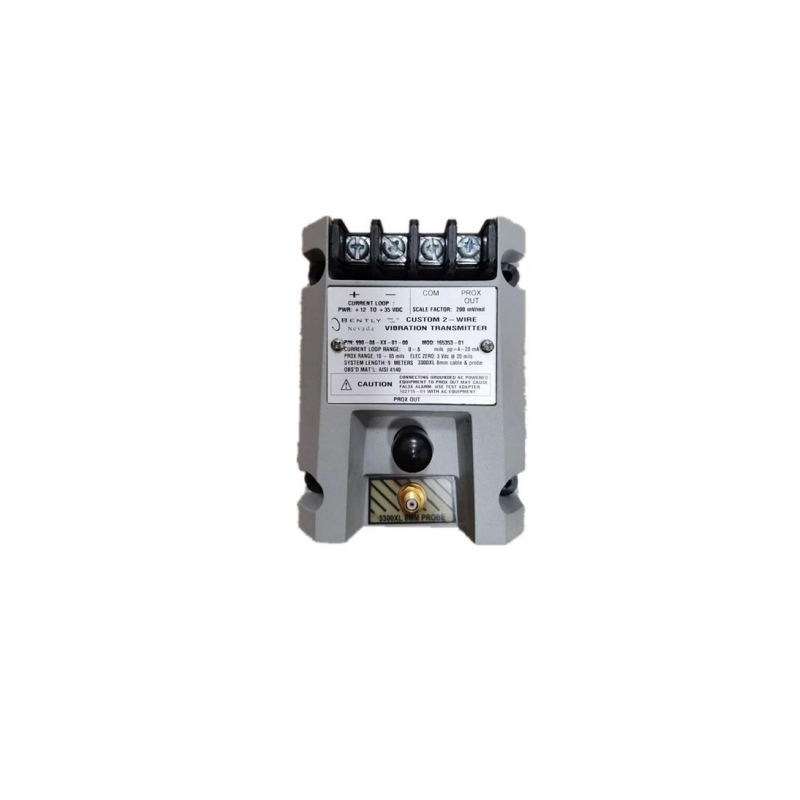
It is a vibration transmitter that measures radial shaft vibration on small, non-critical machinery and converts it into a standard 4–20 mA signal for input to a PLC or DCS. It is specifically designed for OEMs of centrifugal air compressors and similar equipment.
Q2: What input sensor does the 990 require?
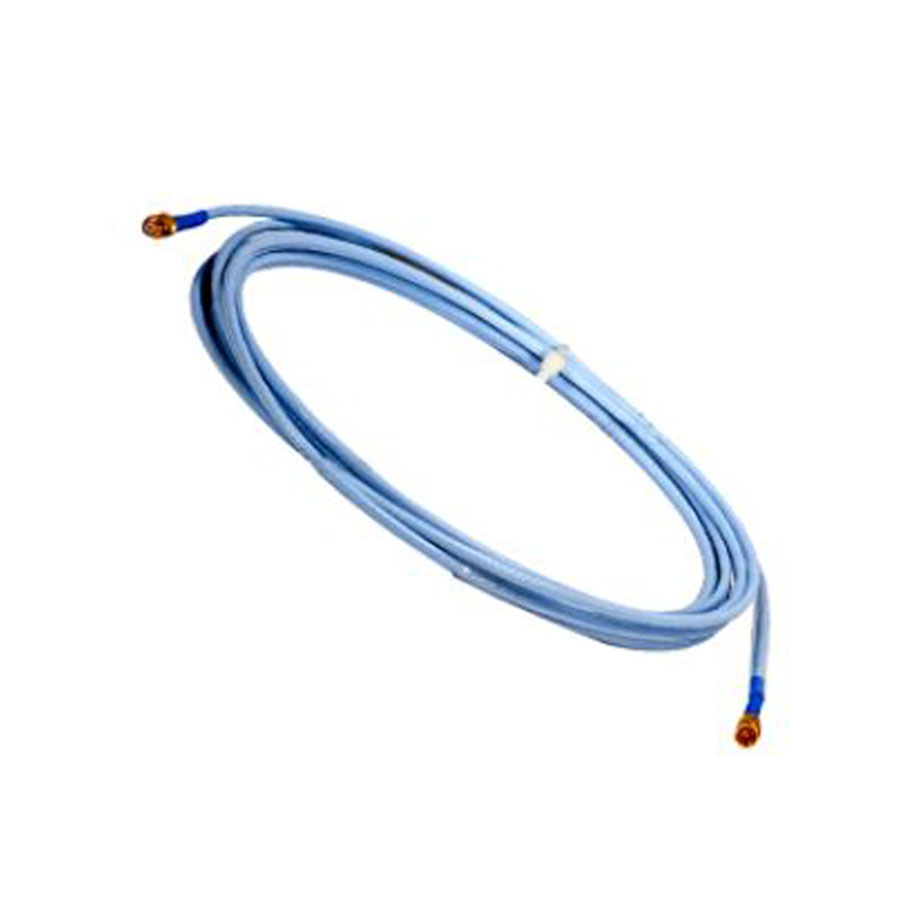
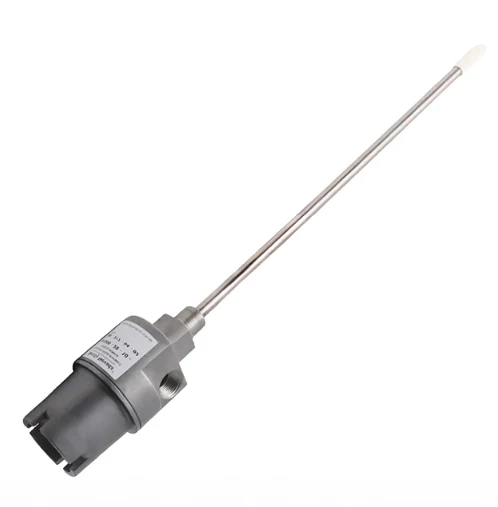
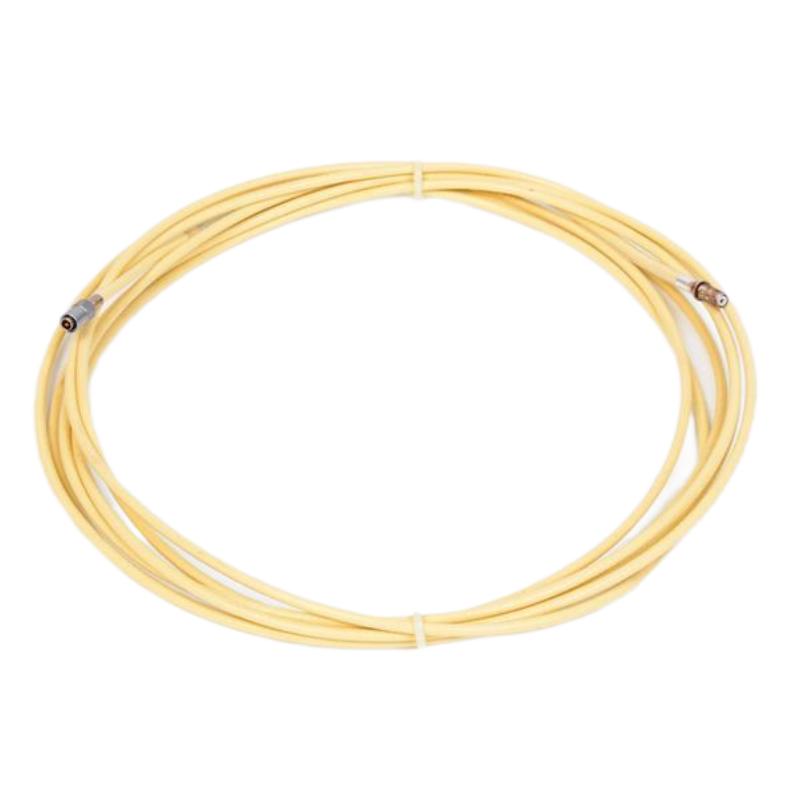
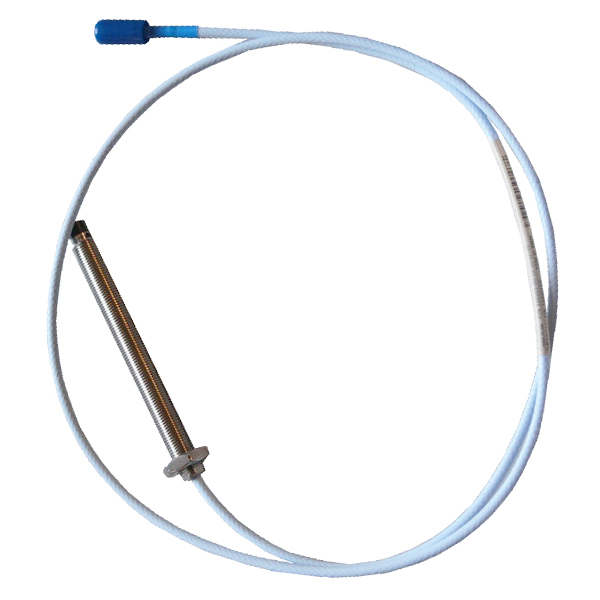
It accepts one 3300 NSv proximity probe and its matching extension cable. The NSv (narrow side view) design allows installation in tight spaces with minimal clearance, typical of centrifugal air compressors.
Q3: What is the difference between the 4–20 mA output and the PROX OUT?
The 4–20 mA loop signal is the primary process control output, proportional to vibration amplitude. The PROX OUT (BNC coaxial connector) provides a non-isolated dynamic signal for machinery diagnostics. Important: When using grounded, AC-powered test equipment, the 122115-01 Test Adapter must be used to isolate the PROX OUT signal—failure to do so can inject AC noise into the loop and cause false trips.
Q4: What does the "MOD 147202-01" designation mean?
It indicates an OEM-customized configuration of the standard 990 Vibration Transmitter. Bently Nevada offers several OEM-specific modifications tailored to different compressor manufacturers' requirements. These modifications may involve calibration curves, connector types, or firmware revisions.
Q5: What are the limitations compared to a full 3500 monitoring system?
The 990 is a transmitter, not a full monitor. It provides 4–20 mA trending and peak alarming but cannot perform gap alarms, phase measurement, Timed OK channel defeat, Danger Bypass, or Trip Multiply. PLCs connected to the 990 are not suitable for plant-wide diagnostic systems like System 1 or RulePaks.