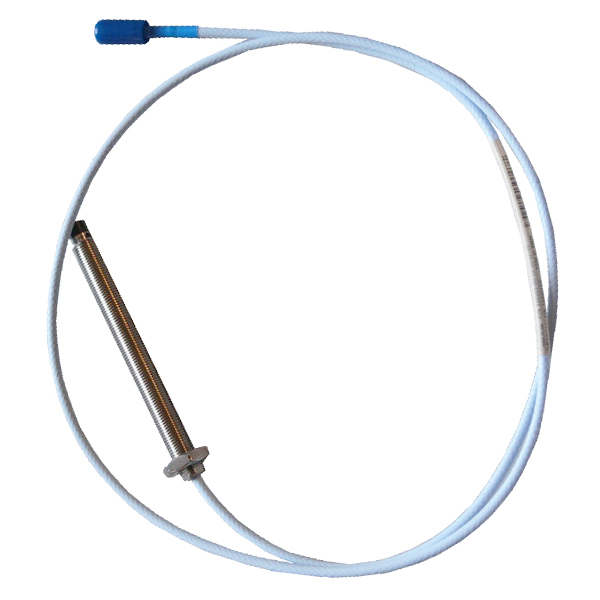
New Original Bently Nevada 164517-070-10-02-00 Proximity Probe in Stock

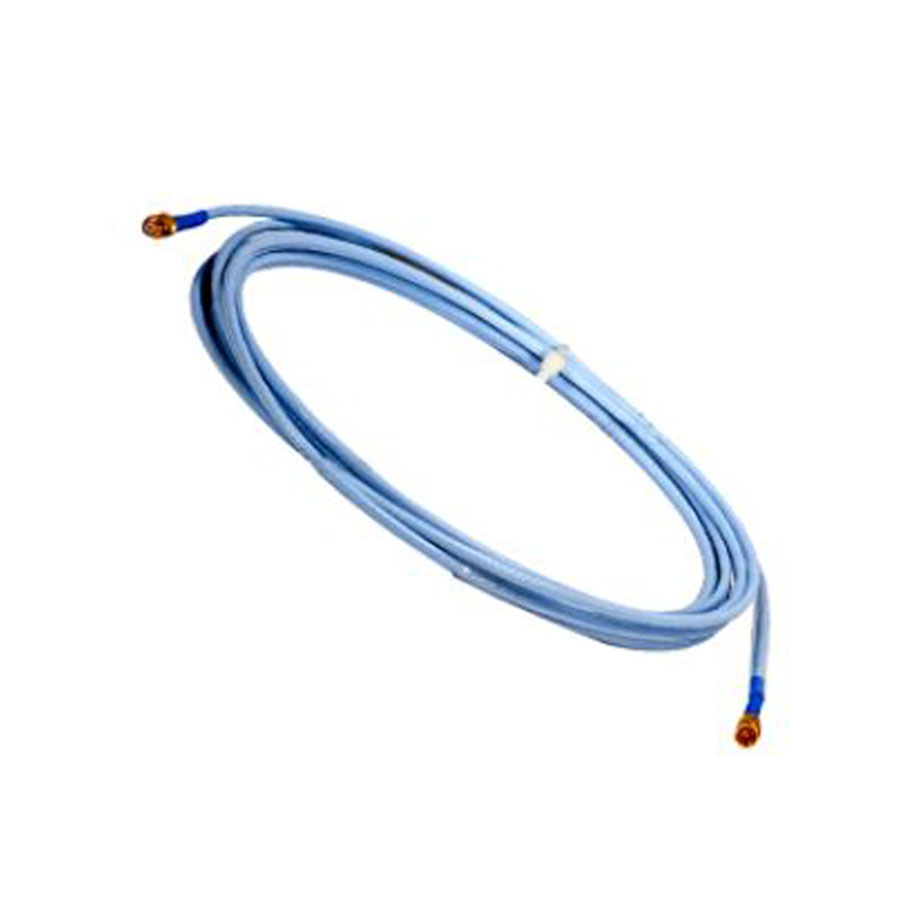
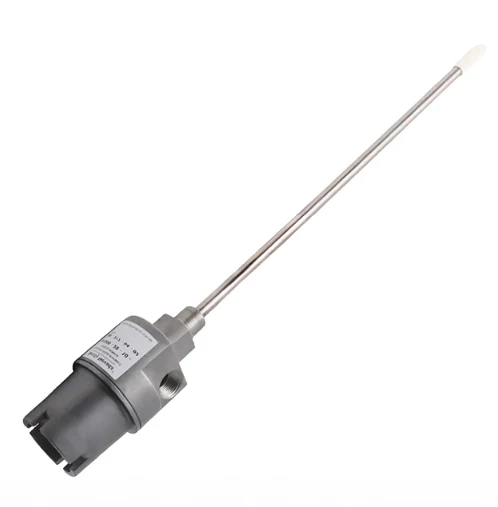
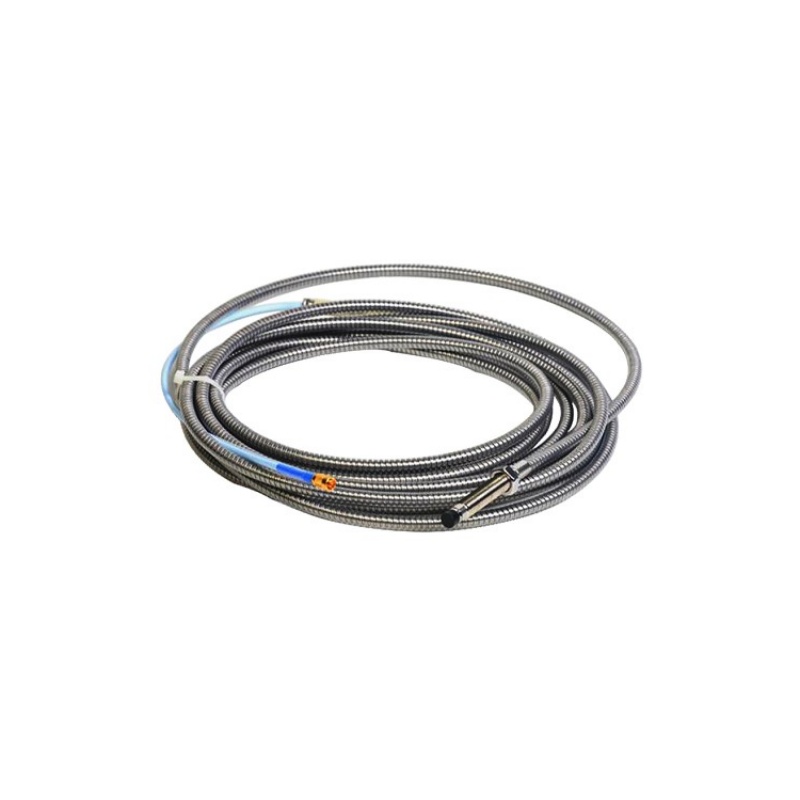
The part number Bently Nevada 164517-070-10-02-00 is a 3300 Series Ceramic Capped Proximity Probe designed for machinery monitoring in aggressive chemical or high-pressure environments.

  • Item No :

    164517-070-10-02-00
  • Order(MOQ) :

    1 Piece
  • Payment :

    EXW
  • Product Origin :

    USA
  • Shipping Port :

    Wuhan
  • Lead Time :

    3~5 days
  • Weight :

    3kg
  • Product Overview

    Specification Details
    Manufacturer Bently Nevada (Baker Hughes)
    Model / Part No. 164517-070-10-02-00
    Product Type Ceramic Capped Eddy-Current Proximity Probe
    Probe Series 3300 Series (compatible with 3300 XL system)
    Probe Diameter 8 mm
    Thread Type M10 × 1 metric standard
    Overall Case Length 70 mm (from "070" option code)
    Cable Length 1.0 meter (from "10" option code)
    Connector Type Miniature coaxial ClickLoc connector with protector, standard cable (from "02" option code)
    Agency Approval Not required (from "00" option code)
    Pressure Rating 34 Bar (500 psi)
    Operating Temperature -51°C to +177°C (-60°F to +350°F)
    Sensitivity 7.87 V/mm (200 mV/mil)
    Linear Range 2.0 mm (80 mils)
    Frequency Response DC to 10 kHz (-3 dB)
    Tip Material Ceramic (Alumina)
    Case Material 304 Stainless Steel
    Compliance API 670 (4th Edition)
    Country of Origin USA

    Part Number Breakdown (164517-AA-BB-CC-DD):

    • 164517 – Base model: 3300 Ceramic Capped Probe, M10×1 thread, without armor
    • -070 – Overall Case Length: 70 mm
    • -10 – Cable Length: 1.0 meter
    • -02 – Connector Type: Miniature coaxial ClickLoc connector with protector, standard cable
    • -00 – Agency Approval: Not required

    Related Product Model Recommendations

    Model Description Typical Application
    164517-070-10-02-00 (this model) Ceramic capped probe, 70mm case, 1.0m cable, ClickLoc Standard chemical/pressure applications
    164517-090-05-01-00 Ceramic capped probe, 90mm case, 0.5m cable Shorter cable, longer case applications
    164517-050-10-01-RU Ceramic capped probe, 50mm case, 1.0m cable Compact installation with Russian approval
    146054 Imperial thread version (3/8-24 UNF) of the ceramic capped probe North American machinery with imperial threads
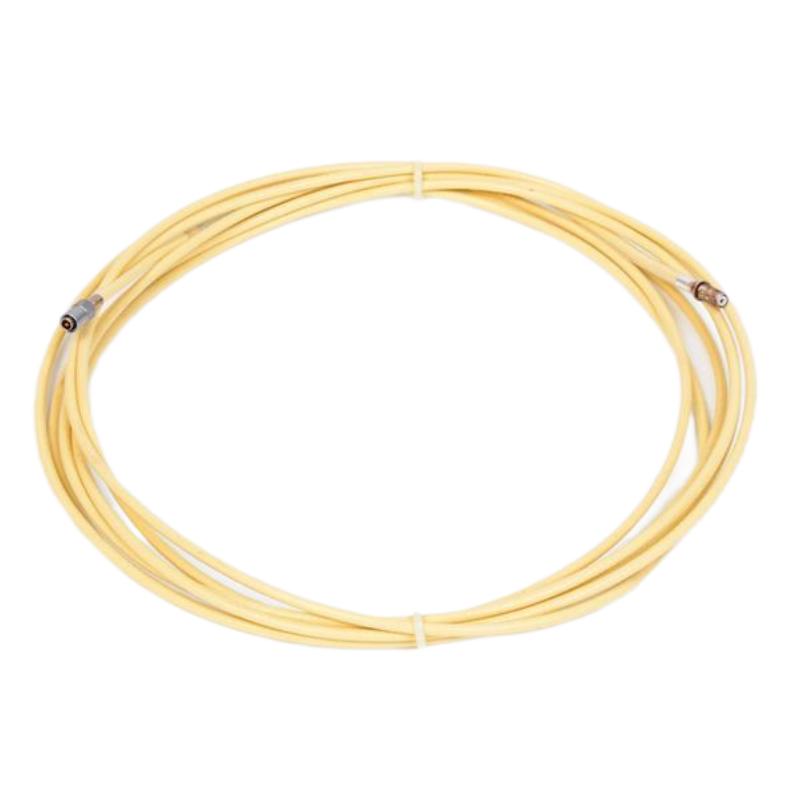
    330130-040-00-00 3300 XL 4.0m standard extension cable Extending probe cable for longer runs
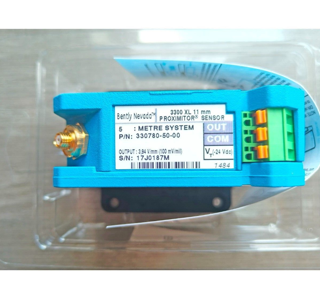
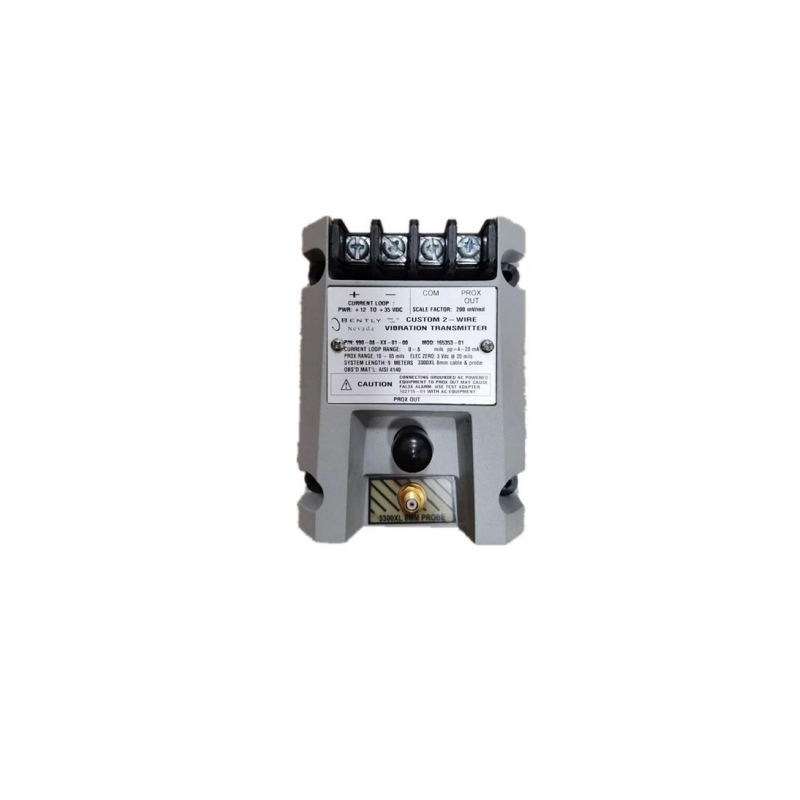
    330180-50-00 3300 XL Proximitor Sensor, 5m system length Required sensor to complete the transducer system

    Payment & Delivery

    Payment and Delivery

    FAQs

    FAQs

    Q1: What is the primary function of the 164517-070-10-02-00?

    It is a ceramic capped eddy-current proximity probe used for non-contact measurement of shaft vibration, axial position, and displacement on rotating machinery. Its ceramic tip is specifically designed for applications in aggressive chemical or high-pressure environments, such as anhydrous ammonia or other extreme pH conditions.

    Q2: What makes this probe different from standard 3300 XL probes?

    The key difference is the ceramic capped tip. This alumina ceramic cap prevents corrosive gases and liquids from entering the front end of the probe case, making it suitable for environments that would destroy standard probe tips. The ceramic-to-metal interface is helium leak-tested to ensure a hermetic seal.

    Q3: What are the limitations of this probe?

    The probe is designed for front-end exposure to corrosive environments only. It does not have a rear fitting or stainless steel tube, so the rear of the probe must not be exposed to destructive environments such as water, NH₃, NH₄OH, or hydrogen sulfide.

    Q4: Which monitoring systems is this probe compatible with?

    It is compatible with Bently Nevada 3300 XL monitoring systems and supports 3300 XL Proximitor Sensors and extension cables. It conforms to API Standard 670 (4th Edition).

    Q5: What is the recommended minimum bend radius for the cable?

    The minimum bend radius should be 25.4 mm (1.0 inch) or greater. Smaller radii can deform the dielectric, alter the characteristic impedance, and introduce measurement errors.

Leave A Message
If you are interested in our products and want to know more details,please leave a message here,we will reply you as soon as we can.
Leave A Message
If you are interested in our products and want to know more details,please leave a message here,we will reply you as soon as we can.