Product Details
Related Product Model Recommendations
| 3BSE081637R1 PM866AK02 |
PM860AK01 |
| 3BSE031155R1 BC810K02 |
BC810K01 3BSE031154R1 |
| 3BSE048845R1 CI868K01 |
TB840A 3BSE037760R1 |
| 3BSE043660R1 CI867K01 |
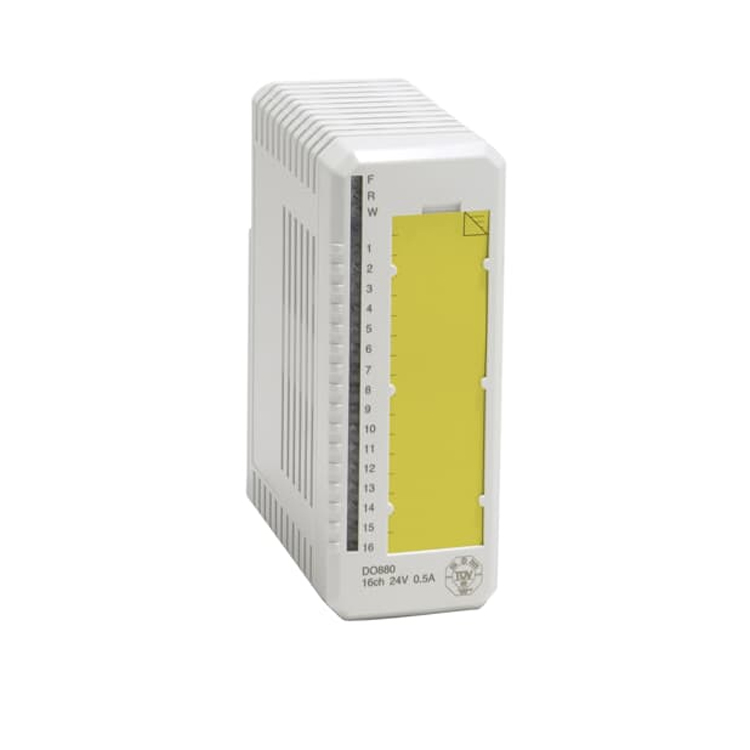
DO880 3BSE028602R1 |
| 3BSE018172R1 SB822 |
CI801 3BSE022366R1 |
| 3BSE037760R1 TB840A |
CI854AK01 3BSE030220R1 |
| 3BSE013210R1 DI830 |
PM891K01 3BSE053241R1 |
| 3BSE008510R1 DO810 |
PM866K01 3BSE050198R1 |
| 3BSE061637R1 TB826 |
PM862K01 3BSE076940R1 |
| 3BSC610066R1 SD833 |
DO820 3BSE008514R1 |
| 3BSC610067R1 SD834 |
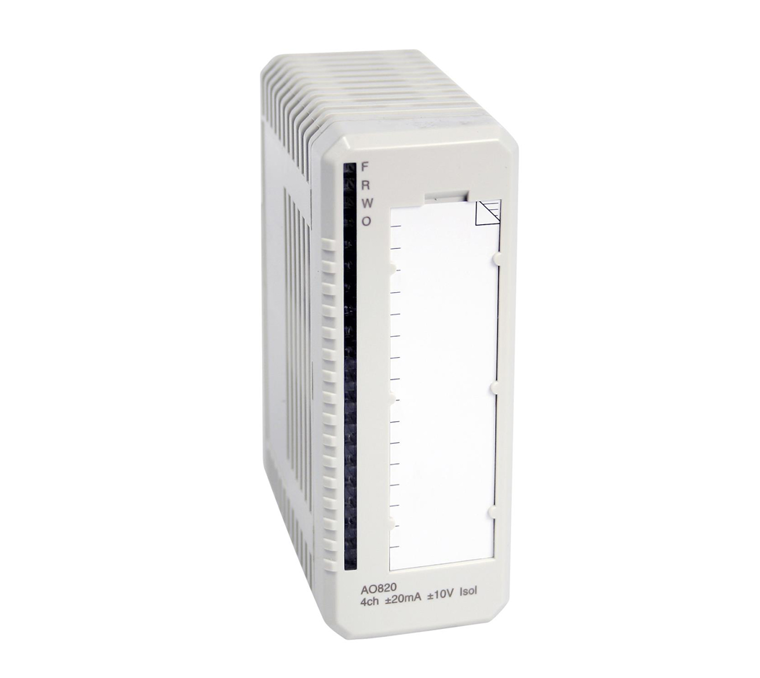
AO810V2 3BSE038415R1 |
| 3BSC610068R1 SS832 |
TU810V1 3BSE013230R1 |
| 3BSE080239R1 NE870 |
TU811V1 3BSE013231R1 |
Payment & Delivery

FAQs

Q1: Which ABB control systems is the DO880 compatible with?
The DO880 is part of the S800 I/O system and is designed for ABB System 800xA DCS, AC 800M controllers, and Symphony Plus systems.
Q2: What does "High Integrity" mean for this module?
"High Integrity" indicates that the DO880 is designed for safety-critical applications and is certified to SIL3 (IEC 61508) and Category 4 (EN 954-1) . It is suitable for Safety Instrumented Functions (SIF) such as ESD, burner management, and fire & gas systems.
Q3: What is the Keying Code for the DO880, and why is it important?
The DO880 has a keying code of FE. The keying code ensures that the module is physically inserted only into the correct MTU (Module Termination Unit) type (e.g., TU810V1, TU812V1, TU830V1). Inserting a DO880 into an incorrectly keyed MTU is physically prevented by the S800 design.
Q4: Does the DO880 support redundant configuration?
Yes. The DO880 can be configured in 1:1 redundant pairs, providing fault tolerance and high system availability. If the primary module fails, the system automatically switches to the standby module without interrupting output signals.
Q5: What is the "Degraded Mode" (ND mode) feature?
Degraded Mode (supported in PR:G firmware and above) allows a channel to remain controlled and able to be safely de-energized even when an output driver error is detected. This is a critical feature for ESD valve applications, where the safety function demands the ability to shut down the valve upon command even if the channel has degraded. It is a mandatory verification item in annual SIL validation tests for safety instrumented systems.