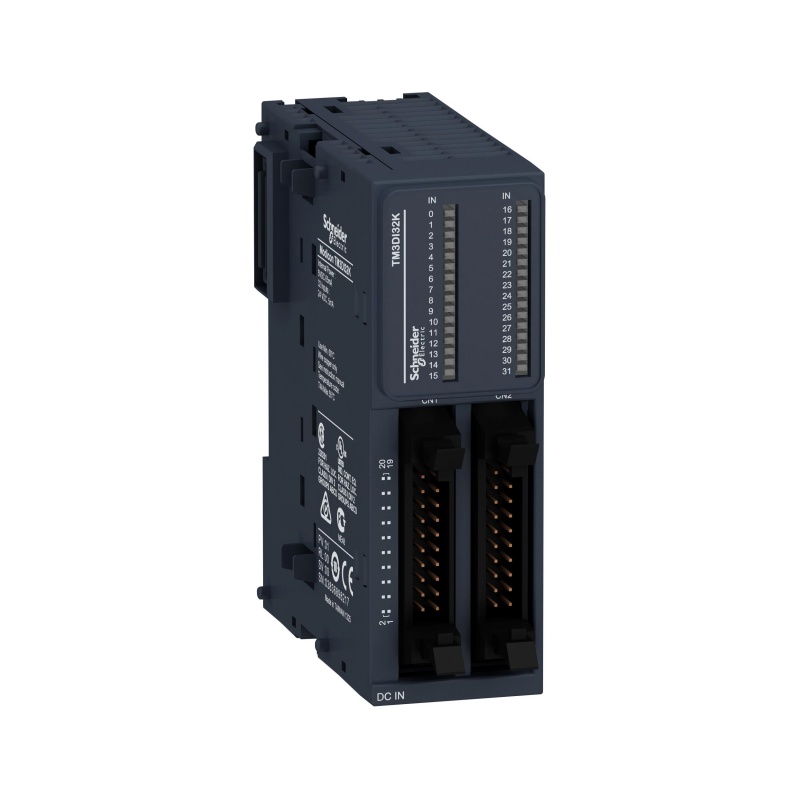
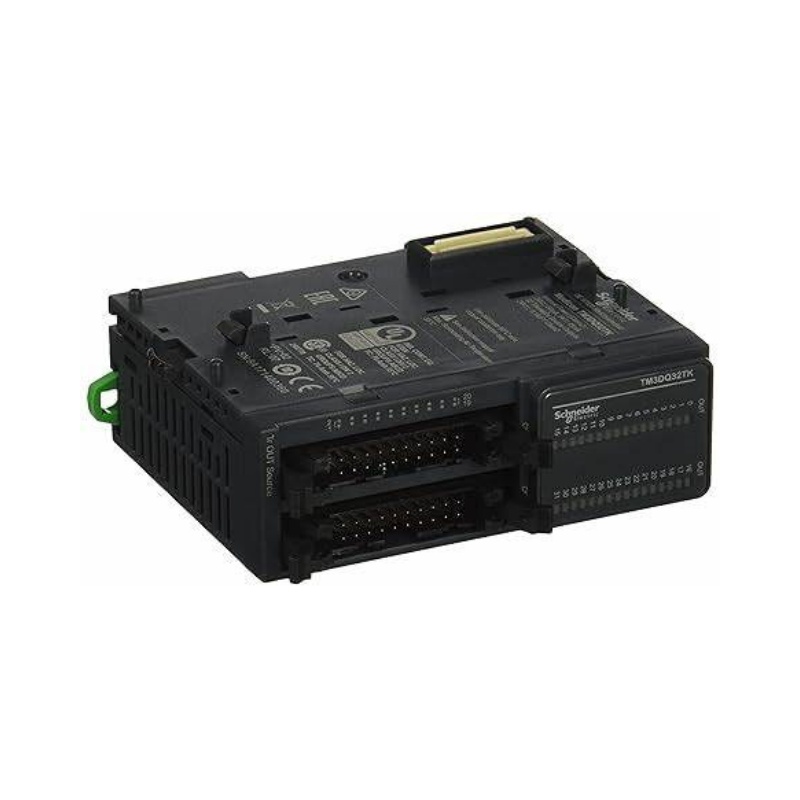
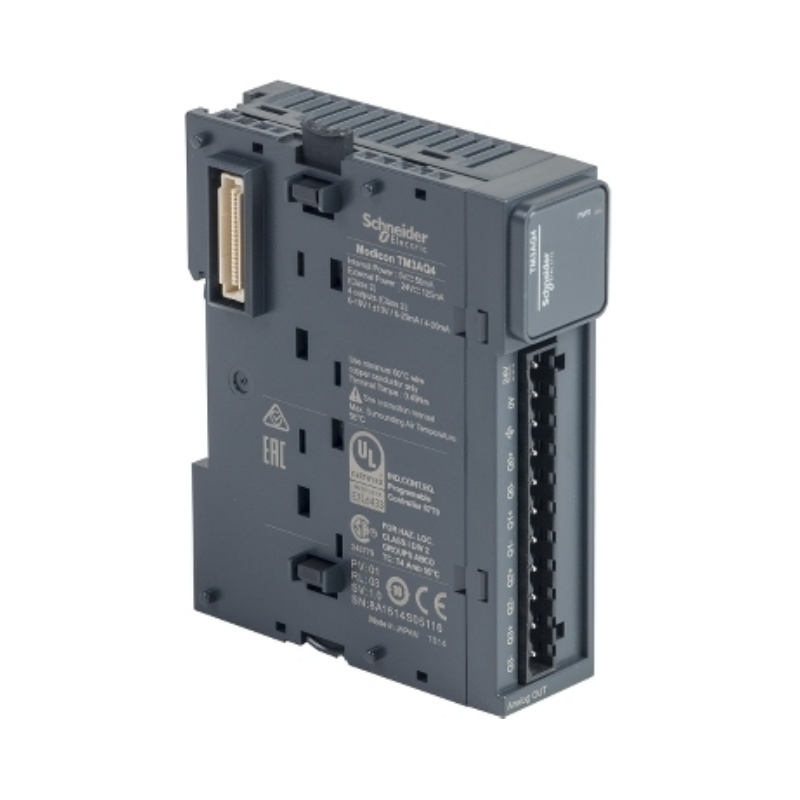
Product Details
Related Product Model Recommendations
FAQs
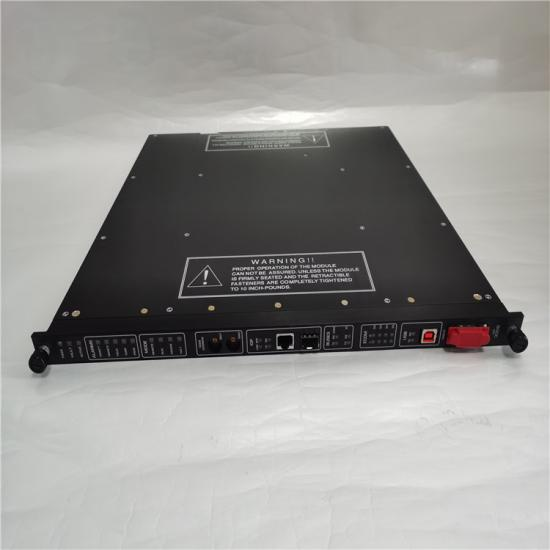
Q1: What is the primary function of the Triconex 4351B?
It is a communication gateway that enables the Tricon safety controller to exchange non-safety data with external systems (DCS, SCADA, PLC, HMI) using Modbus TCP/IP, Modbus RTU, and TriStation protocols. It isolates the safety network from the plant control network, ensuring that external communication faults cannot affect the safety logic.
Q2: Can the 4351B be used for safety-critical communication between two Tricon systems?
No. For safety-rated communication between Tricon controllers, dedicated Safety Network (SN) or Peer-to-Peer (P2P) modules are required. The 4351B is strictly for non-safety monitoring and data exchange.
Q3: Does the 4351B support hot-swap?
No. The module supports online replacement (the system can remain running while the module is removed), but it must be inserted into a powered slot. Pulling the module and reinserting it cold will cause a communication fault. Plan maintenance windows accordingly.
Q4: What firmware version is required for the 4351B?
The 4351B requires Tricon v10.0 or higher main processor firmware. If your controller is running v9.x, the module will not initialize, and a "COMM FAULT" LED will appear. Always verify processor firmware before ordering.
Q5: What are the most common installation pitfalls?
Key pitfalls include: (1) Firmware mismatch – v10+ required; (2) Missing Modbus aliases – every Tricon variable must be assigned a 5-digit alias in TriStation, or SCADA will read zeros; (3) Cascading too many unisolated Modbus slaves on one serial bus without 120Ω termination resistors, causing CRC errors; (4) Exceeding 4 TCMs per system or installing them in incorrect logical slots.